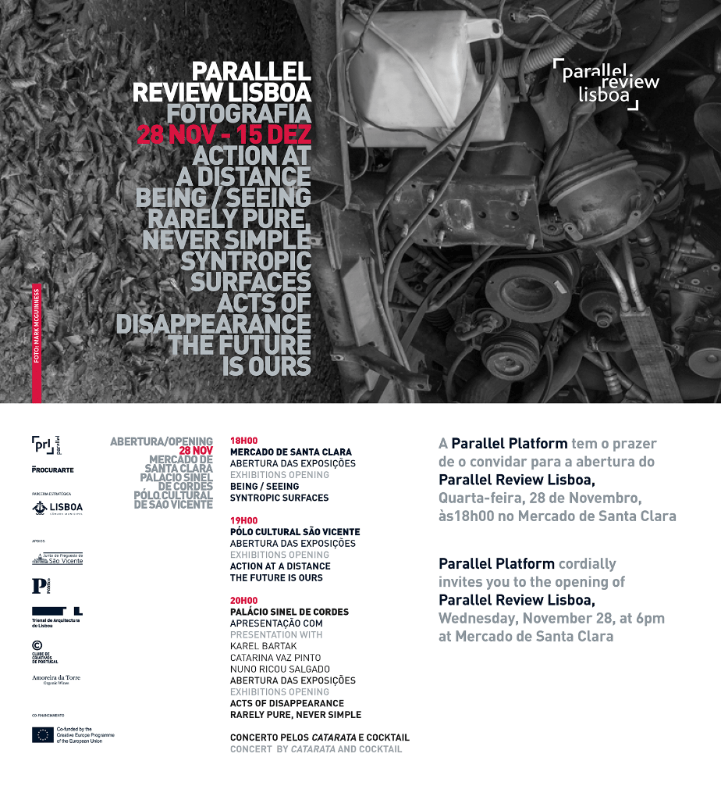
PARALLEL REVIEW LISBOA. BEING / SEEING – SYNTROPIC SURFACES
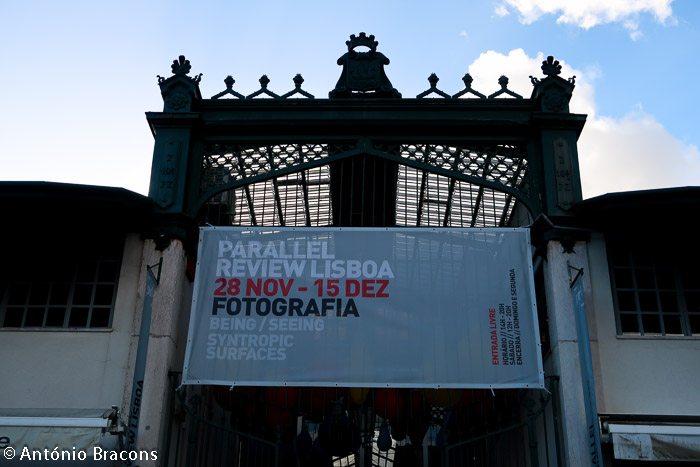
Exposições patentes no Mercado de Santa Clara, no Campo de Santa Clara, em Lisboa, de 28 de novembro a 15 de dezembro de 2018,
.
.
.
O PARALLEL REVIEW LISBOA apresenta pela primeira vez em conjunto todo o trabalho criado pelos artistas e curadores emergentes durante o 1.º ciclo do PARALLEL – European Photo Based Platform. As exposições serão complementadas por uma série de actividades relacionadas com a fotografia contemporânea.
A primeira edição decorrerá no Campo de Santa Clara com um núcleo central no antigo mercado de Santa Clara e actividades em locais circundantes: Palácio Sinel de Cordes (Trienal de Arquitectura) e Polo Cultural São Vicente.
Este evento pretende criar uma âncora para analisar, discutir e produzir fotografia em Lisboa, reconhecendo a importância da imagem como documento contemporâneo e promovendo o diálogo entre os seus actores: artistas/criadores, público e cidade.”,
refere a organização.
.
.
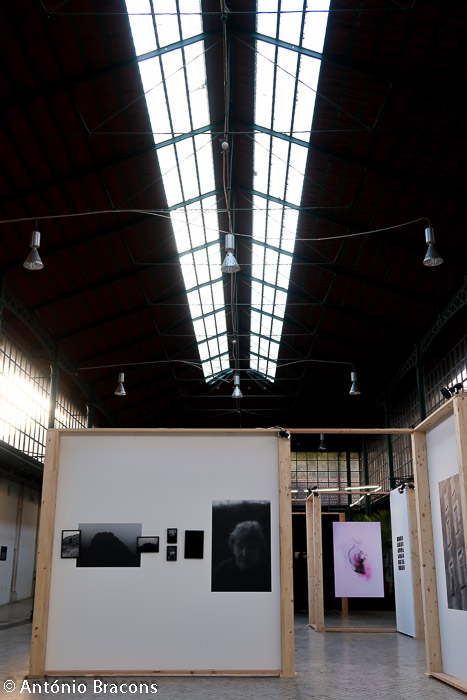
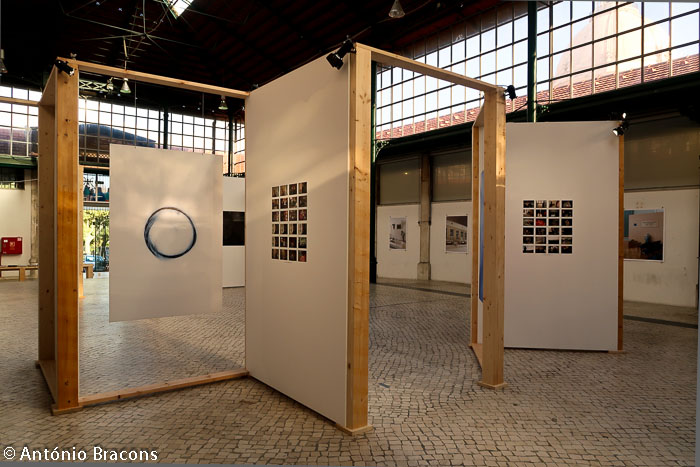
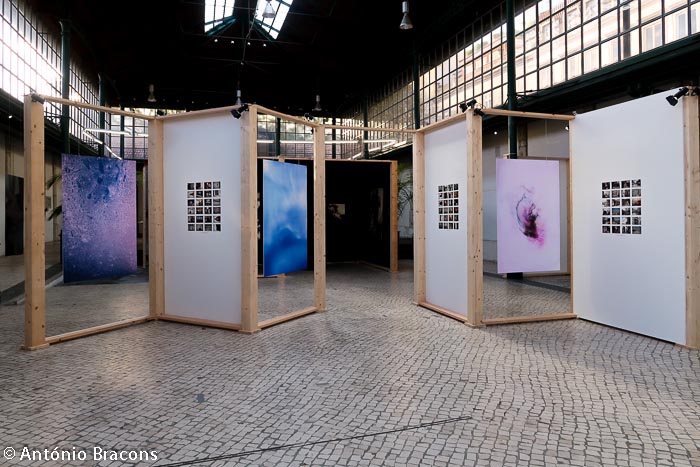
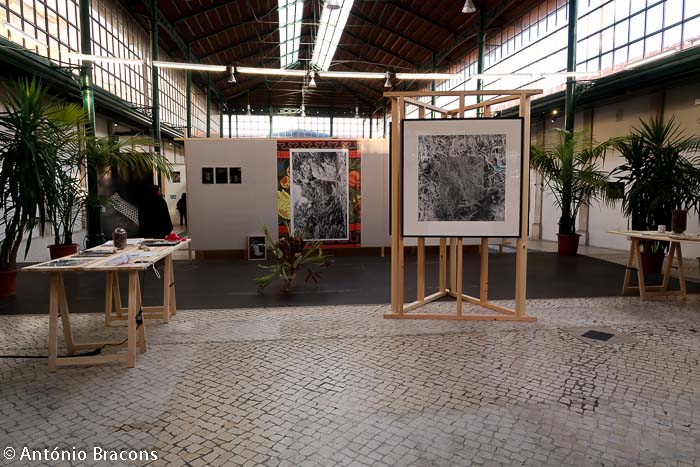
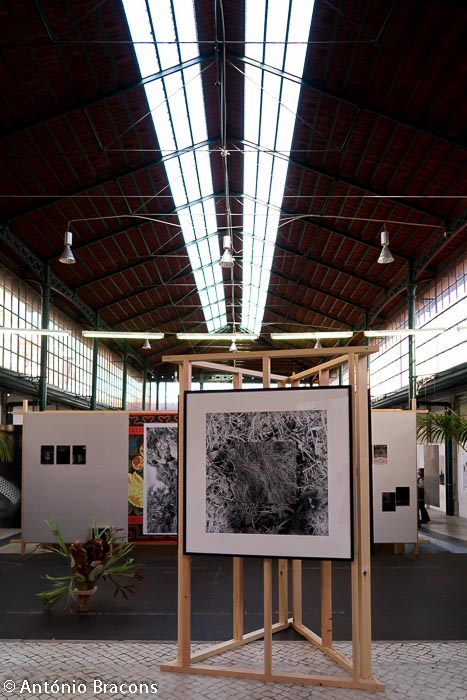
No Mercado de Santa Clara, no Campo de Santa Clara, em Lisboa, de 28 de novembro a 15 de dezembro de 2018, são apresentadas as exposições BEING / SEEING e SYNTROPIC SURFACES.
.
.
.
BEING / SEEING
.
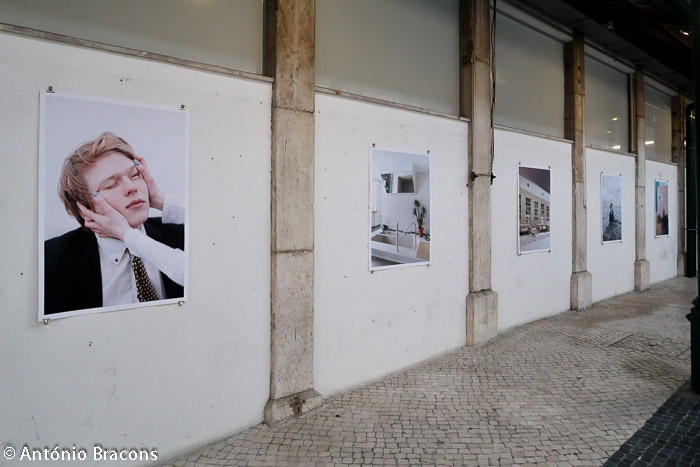
Apresenta as séries de Andrej Lamut (SI), Sofia Okkonen (FI), Charlotte Mano (FR), Glorija Lizde (HR), Mark McGuinness (IE), Ramona Guntert (DE), Toms Harjo (LV). A curadoria é de Nikki Zoë Omes (NL).
Esta exposição foi apresentada na Quad / Format, em Derby, de 20 de abril a 18 de maio de 2018
.
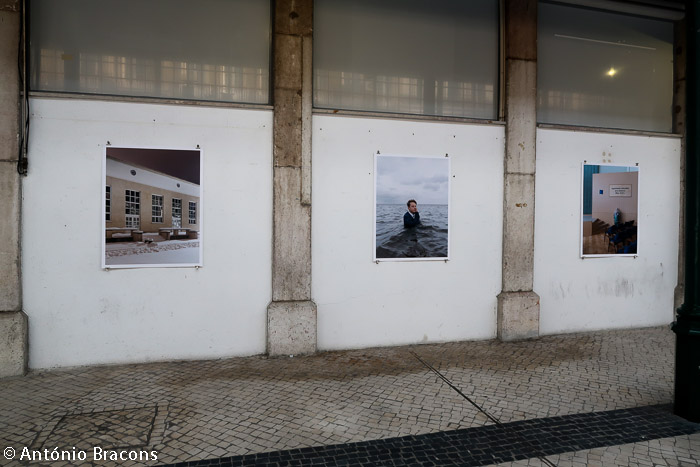
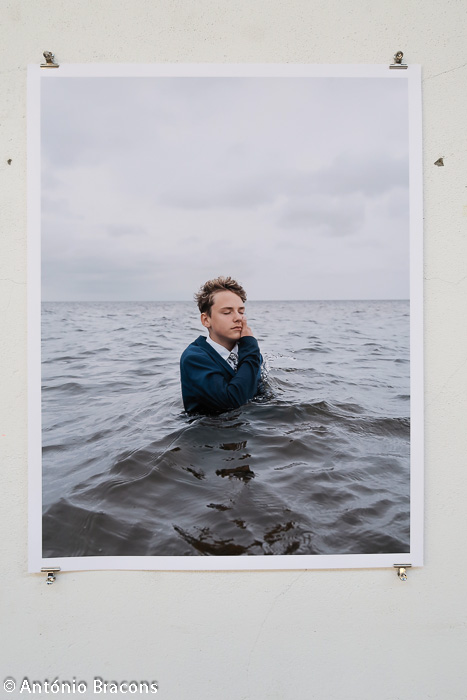
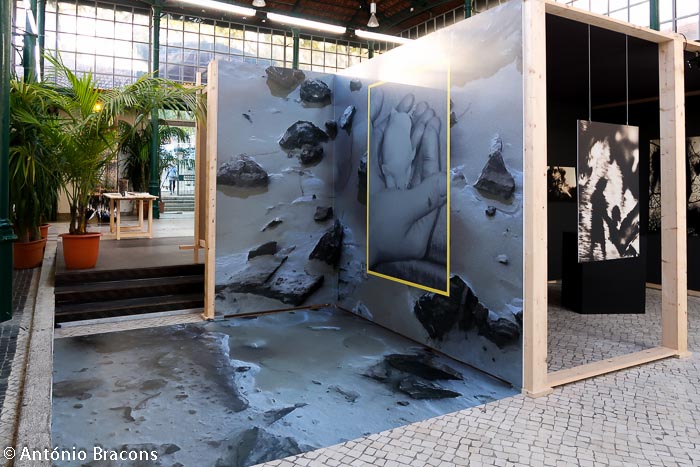
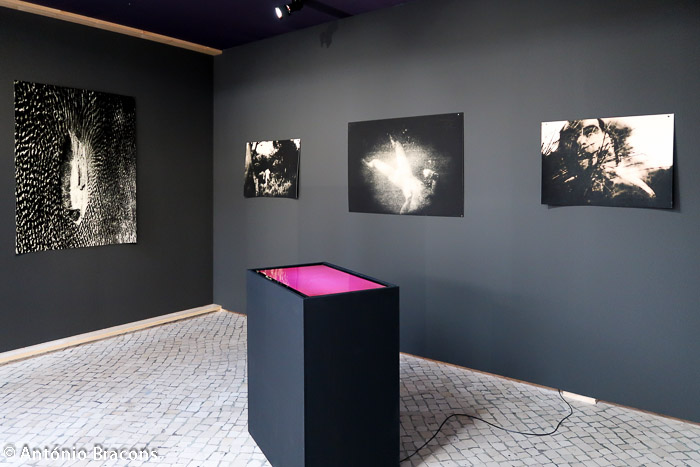
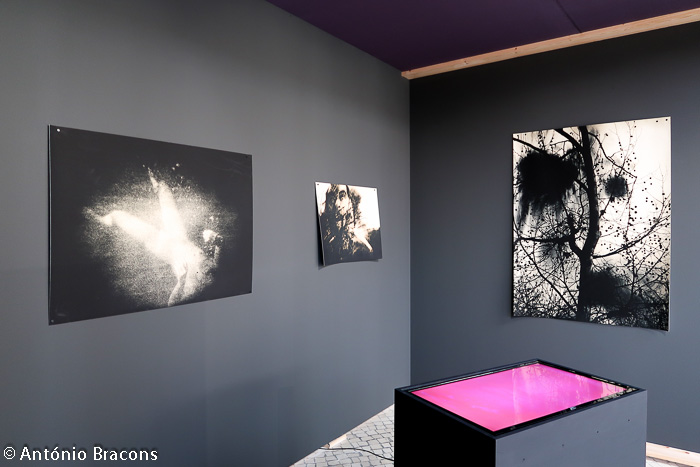
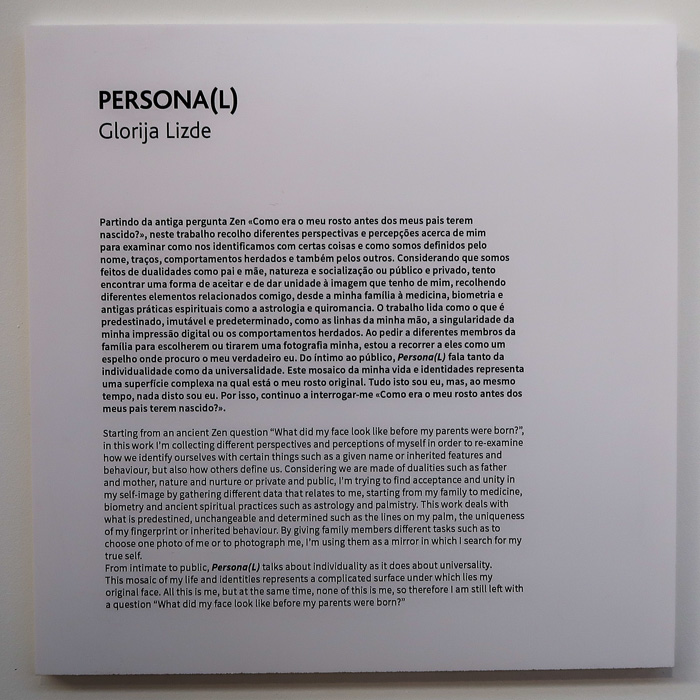
The exhibition Being / Seeing presents the work of seven new and emerging photographers: Andrej Lamut, Charlotte Mano, Glorija Lizde, Mark McGuinness, Ramona Güntert, Sofia Okkonen, and Toms Harjo. The reason why I chose these specific projects is because they all contemplate ‘being’ or what it means to ‘be’, by either exploring the self, (sub)consciousness, our relation to others, or the body. What also struck me was how the artists went about ‘seeing’ these concepts and capturing them using their unique photographic language. Being / Seeing reflects on QUAD’s year-long theme (April 2018-19) of ‘well-being’ by combining it with the idea of ‘well-seeing’, which is defined by “a person or (later only) the eye: having good vision; that sees clearly or truly” (Oxford Dictionary).
As the camera is often thought of as documenting its subject ‘clearly’ and/or ‘truly’, we can consider the photographer as someone who is well-seeing.
A photographer, akin to the idea of an artistic genius in painting, demonstrates an exceptional ability to see and capture things others have not.
Thus I explain in a new way, the world unknown to you…
(Dziga Vertov, 1923 manifesto)
For human beings, seeing is an act deemed natural and instinctual.
The field of visual culture, however, problematizes this notion by questioning this supposed naturalness and claiming that vision is culturally constructed. Photography similarly problematizes this by showing perspective in a way that is unusual to the human eye. The above quotation was stated in reference to the invention of the camera, since this invention brought about a change in scopic regime. Whereas historically, images like paintings adopted a linear perspective based on the assumption of a singular, central viewer, photography was able to create images through a non-discriminating lens. Vertov’s new way, in the context of this exhibition, also represents the photographer’s personal ‘way of seeing’ in which they choose to express their subject matter. Much like W.J.T. Mitchell states in “Showing Seeing: A Critique of Visual Culture”, the photographic projects in Being / Seeing mediate upon “blindness, the invisible, the unseen, the unseeable, and the overlooked” (170). They make visible things that have remained invisible or overlooked by others. Each project can thus be considered as processes and visual explorations, rather than answers to the questions they raise: How do the perceptions of others affect our sense of self? How do we shape our lives around others’ preconceived ideas? And how do we make sense of our own physicality?
Nikki Zoë Omes
.
.
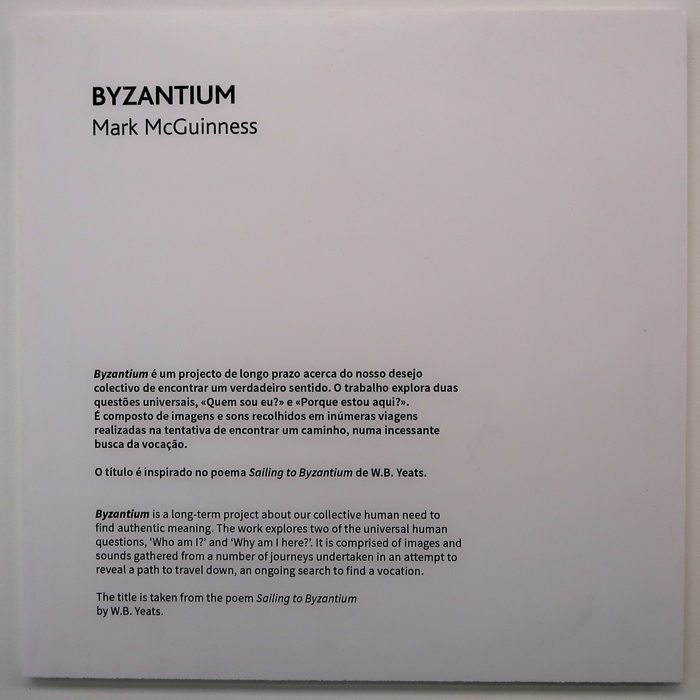
Mark McGuinness / Byzantium
.
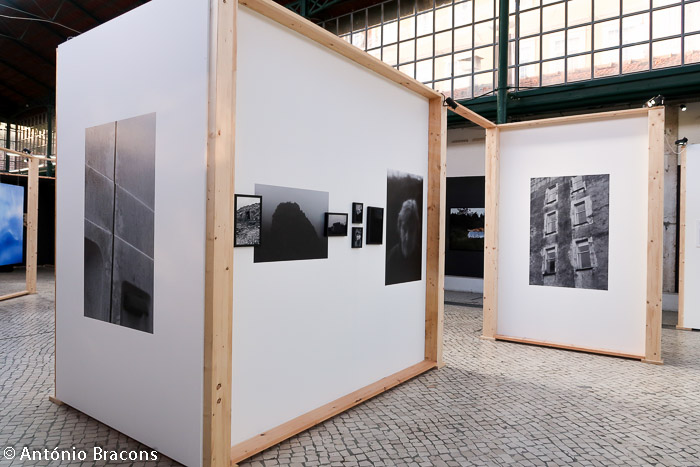
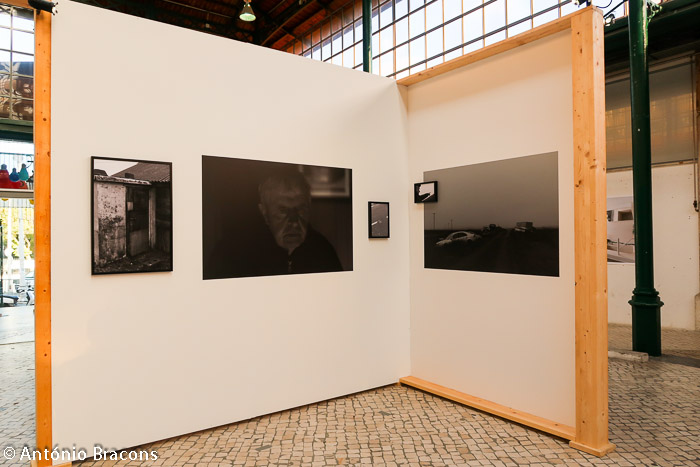
.
.
Toms Harjo / In the thuth
.
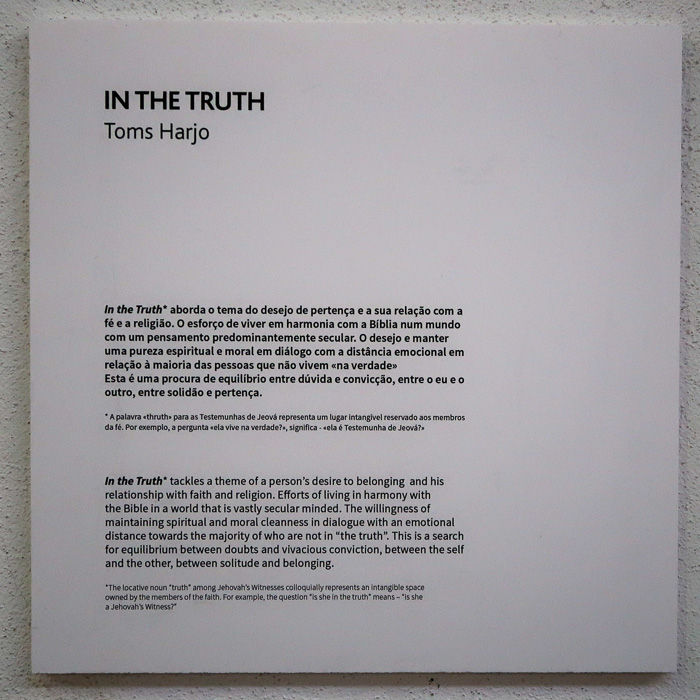
.
.
.
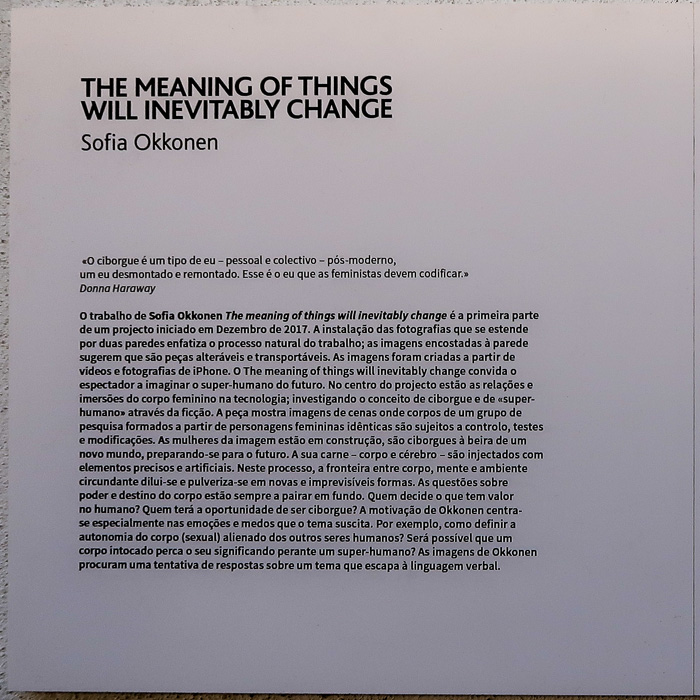
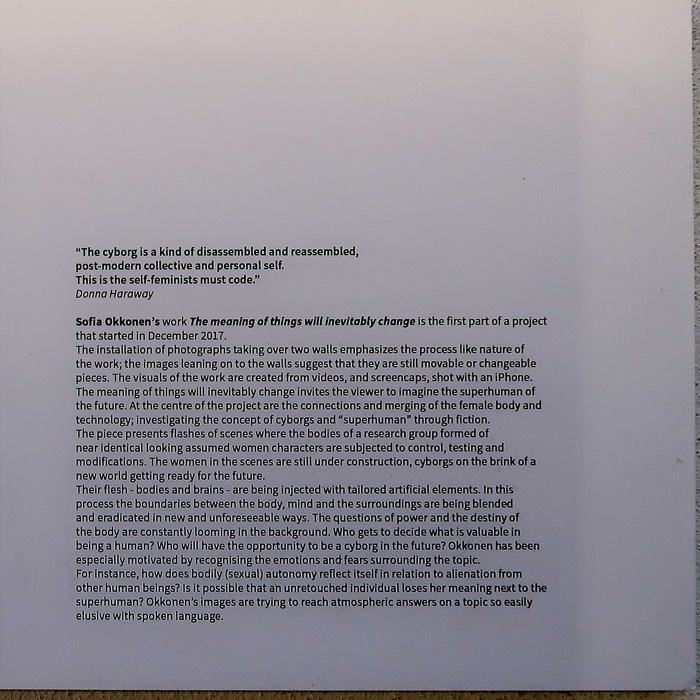
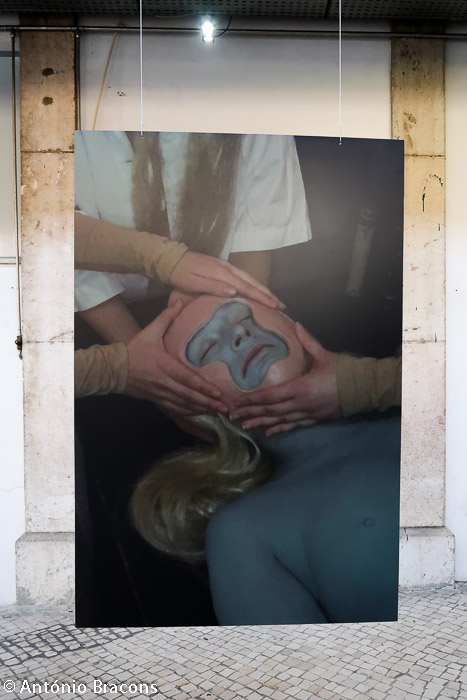
Sofia Okkonen / The meaning of things will inevitably change
.
.
.
.
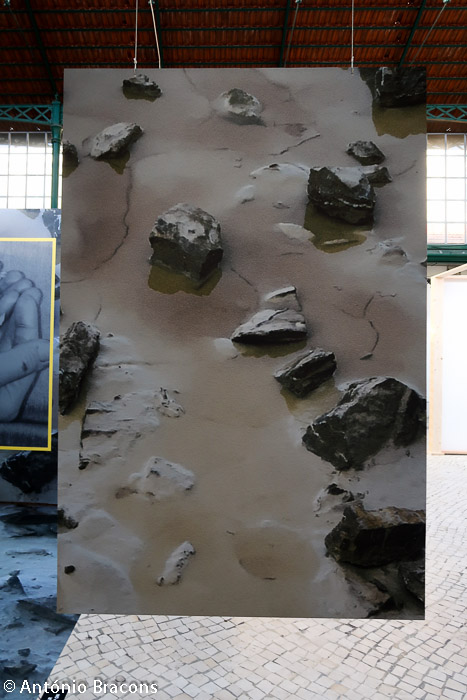
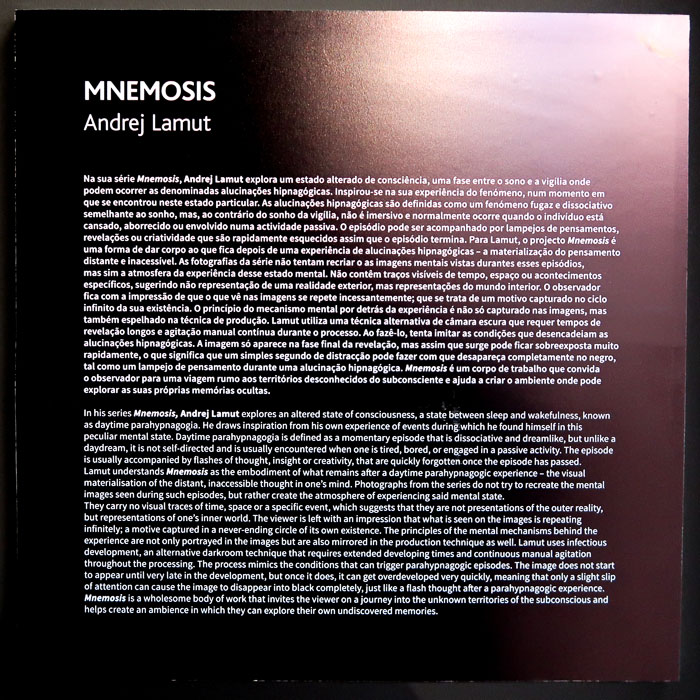
Andrej Lamut / Mnemosis
.
.
.
.
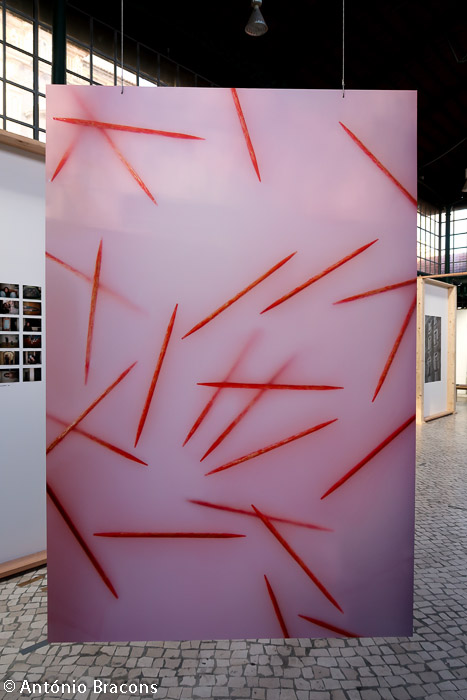
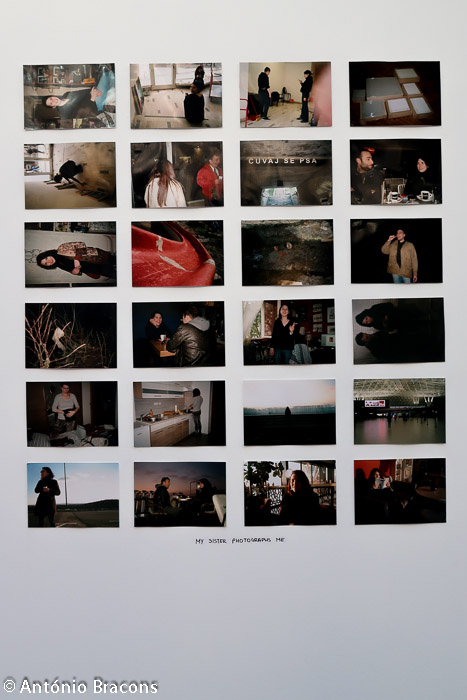
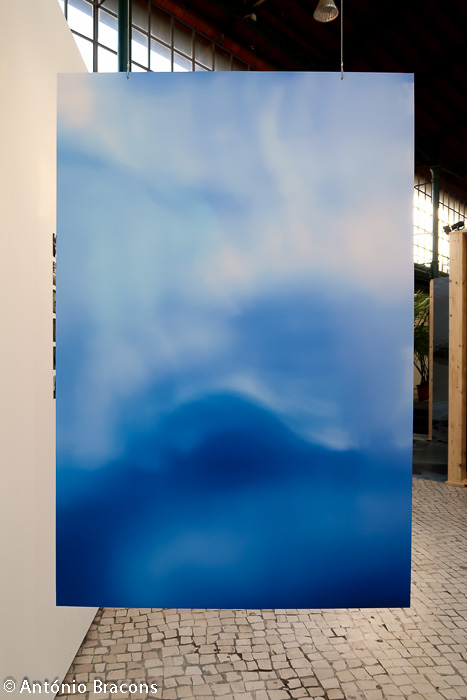
Glorija Lizde / Persona(l)
.
.
.
.
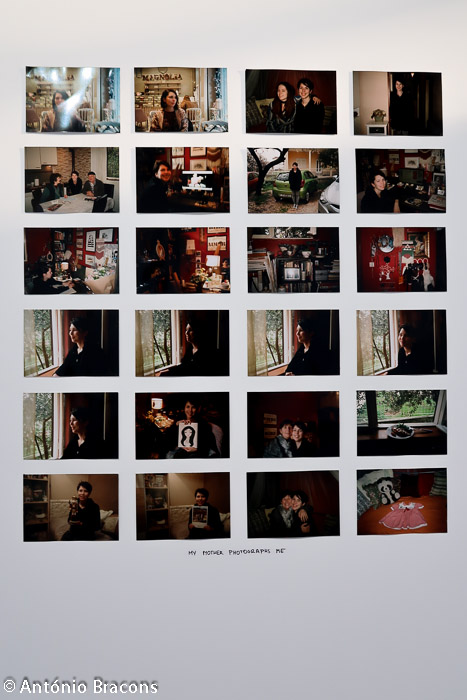
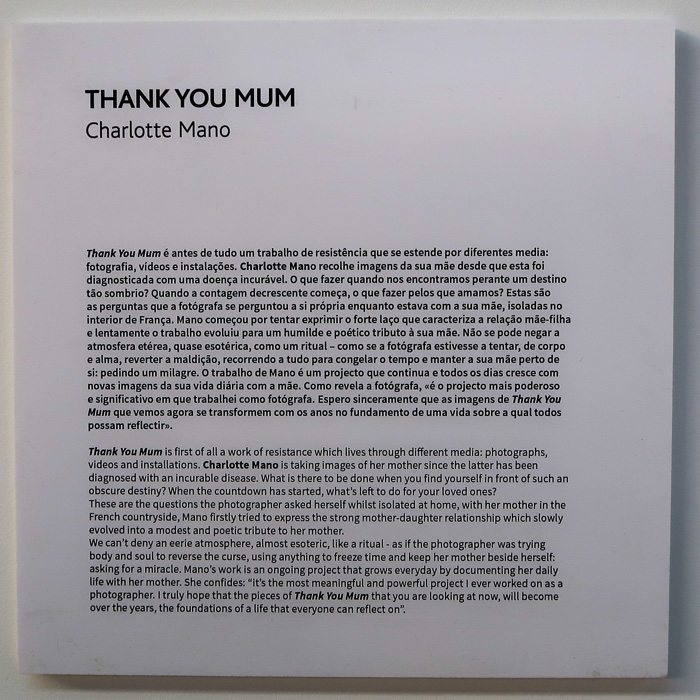
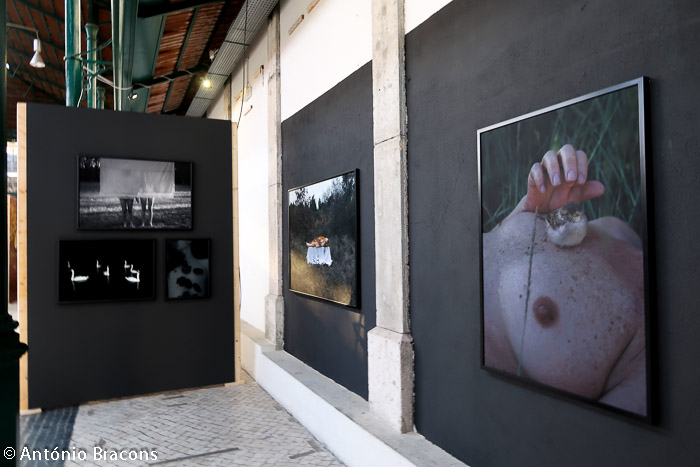
Charlotte Mano / Thank you mum
.
.
.
.
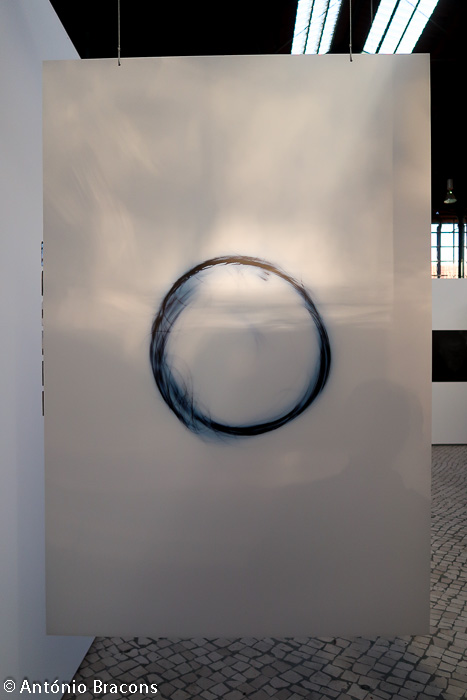
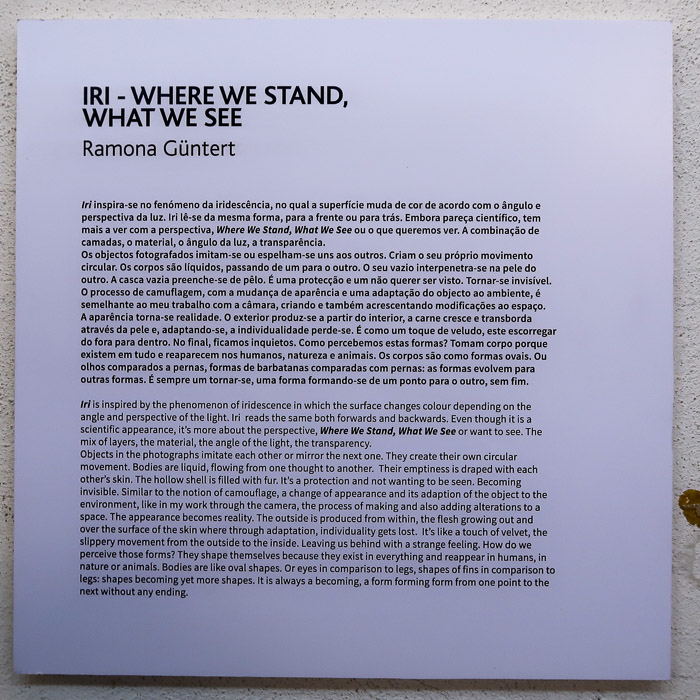
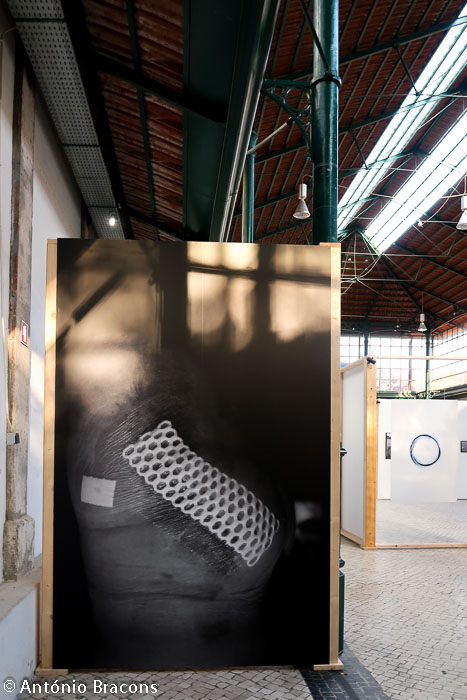
Ramona Guntert / IRI – Where we stand, what we see
(exposição comum a SYNTROPIC SURFACES e também apresentada em THE FUTURE IS OURS)
.
.
.
.
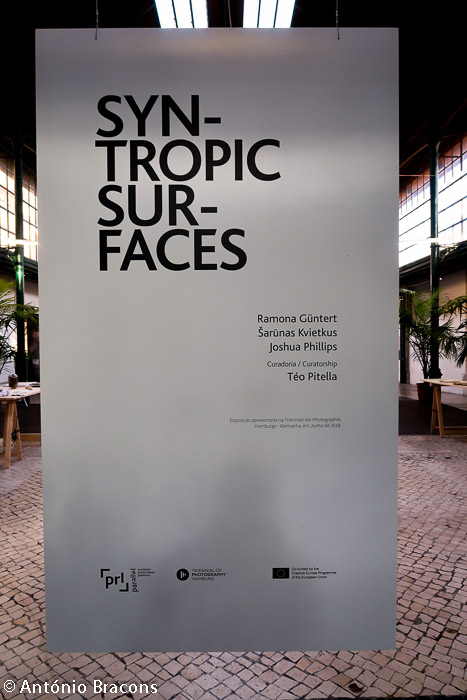
SYNTROPIC SURFACES
.
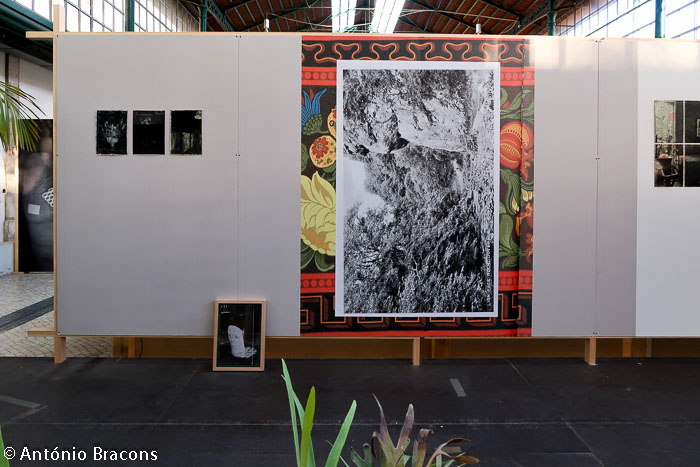
Apresenta as séries de Ramona Guntert (DE), Sarunas Kvietkus (LT) e Joshua Phillips. A curadoria é de Téo Pitella (BR/PT).
Esta exposição foi apresentada na Triennale der Photographie Hamburg, de 7 a 17 de junho de 2018.
.
.
.
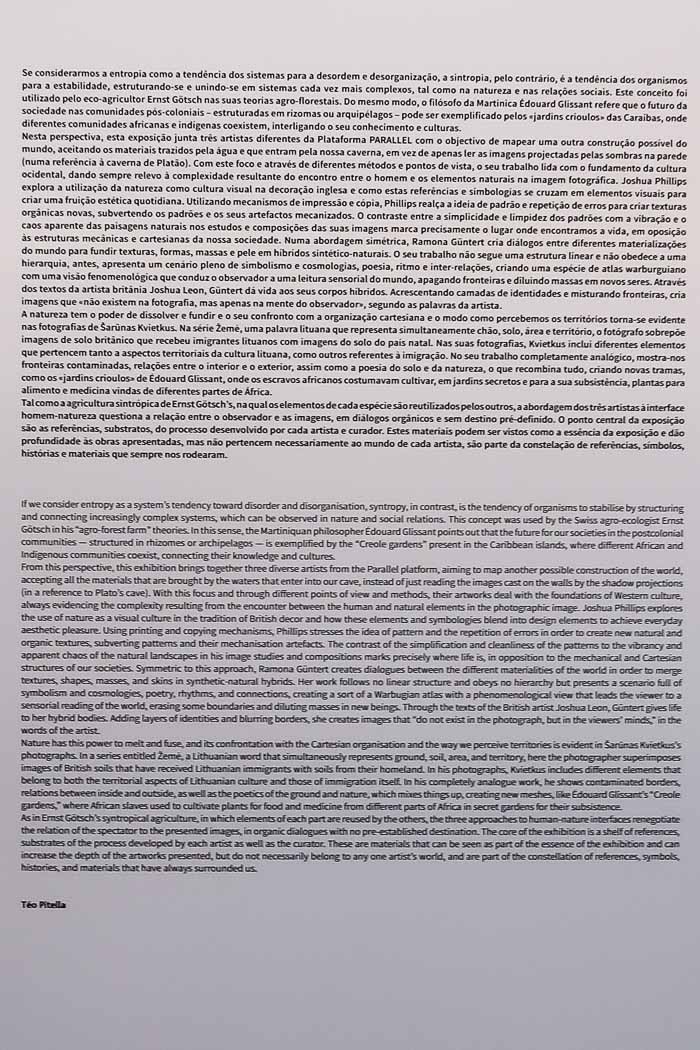
If we consider entropy as a system’s tendency toward disorder and disorganization, syntropy, in contrast, is the tendency of organisms to stabilize by structuring and connecting increasingly complex systems, which can be observed in nature and social relations. This concept was used by the Swiss agro-ecologist Ernst Götsch in his “agro-forest farm” theories. In this sense, the Martiniquan philosopher Édouard Glissant points out that the future for our societies in the postcolonial communities—structured in rhizomes or archipelagos—is exemplified by the “Creole gardens” present in the Caribbean islands, where different African and Indigenous communities coexist, connecting their knowledge and cultures.
From this perspective, this exhibition brings together three diverse artists from the Parallel platform, aiming to map another possible construction of the world, accepting all the materials that are brought by the waters that enter into our cave, instead of just reading the images cast on the walls by the shadow projections (in a reference to Plato’s cave). With this focus and through different points of view and methods, their artworks deal with the foundations of Western culture, always evidencing the complexity resulting from the encounter between the human and natural elements in the photographic image.
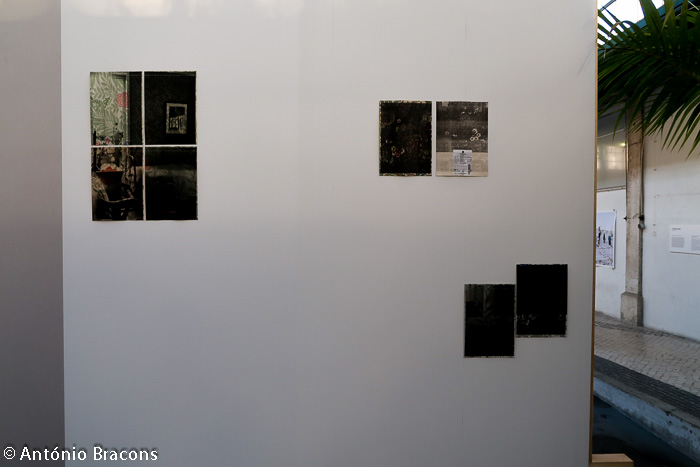
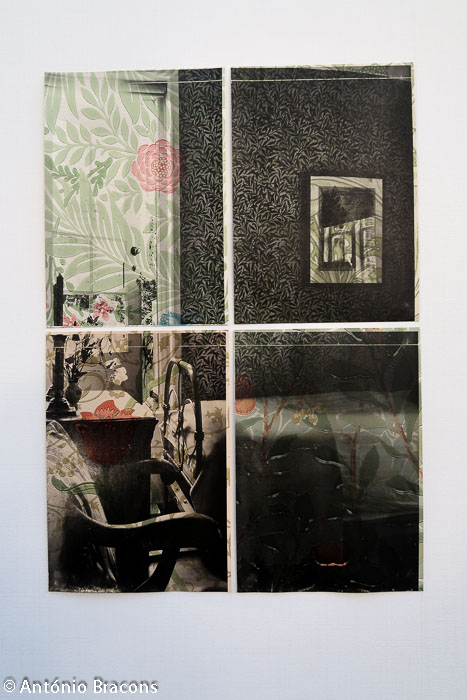
Joshua Phillips explores the use of nature as a visual culture in the tradition of British decor and how these elements and symbologies blend into design elements to achieve everyday aesthetic pleasure. Using printing and copying mechanisms, Phillips stresses the idea of pattern and the repetition of errors in order to create new natural and organic textures, subverting patterns and their mechanization artifacts. The contrast of the simplification and cleanliness of the patterns to the vibrancy and apparent chaos of the natural landscapes in his image studies and compositions marks precisely where life is, in opposition to the mechanical and Cartesian structures of our societies. Symmetric to this approach, Ramona Güntert creates dialogues between the different materialities of the world in order to merge textures, shapes, masses, and skins in synthetic-natural hybrids.
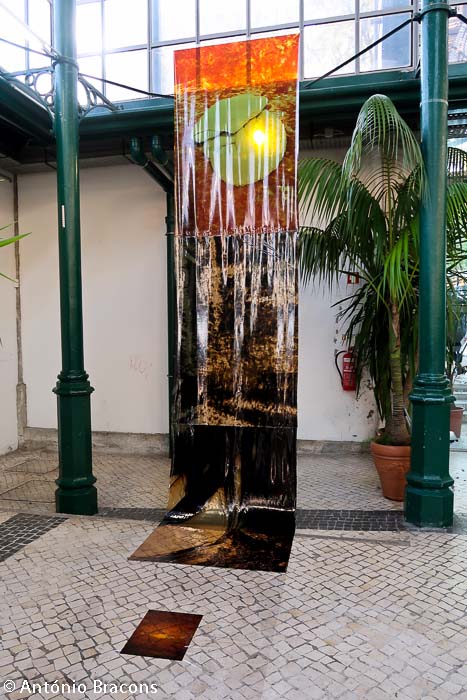
Her work follows no linear structure and obeys no hierarchy but presents a scenario full of symbolism and cosmologies, poetry, rhythms, and connections, creating a sort of an Warburgian atlas with a phenomenological view that leads the viewer to a sensorial reading of the world, erasing some boundaries and diluting masses in new beings. Through the texts of the British artist Joshua Leon, Güntert gives life to her hybrid bodies. Adding layers of identities and blurring borders, she creates images that “do not exist in the photograph, but in the viewers’ minds,” in the words of the artist.
Nature has this power to melt and fuse, and its confrontation with the Cartesian organization and the way we perceive territories is evident in Šarūnas Kvietkus’s photographs. In a series entitled Žemė, a Lithuanian word that simultaneously represents ground, soil, area, and territory, here the photographer superimposes images of British soils that have received Lithuanian immigrants with soils from their homeland. In his photographs, Kvietkus includes different elements that belong to both the territorial aspects of Lithuanian culture and those of immigration itself. In his completely analogue work, he shows contaminated borders, relations between inside and outside, as well as the poetics of the ground and nature, which mixes things up, creating new meshes, like Édouard Glissant’s “Creole gardens,” where African slaves used to cultivate plants for food and medicine from different parts of Africa in secret gardens for their subsistence.
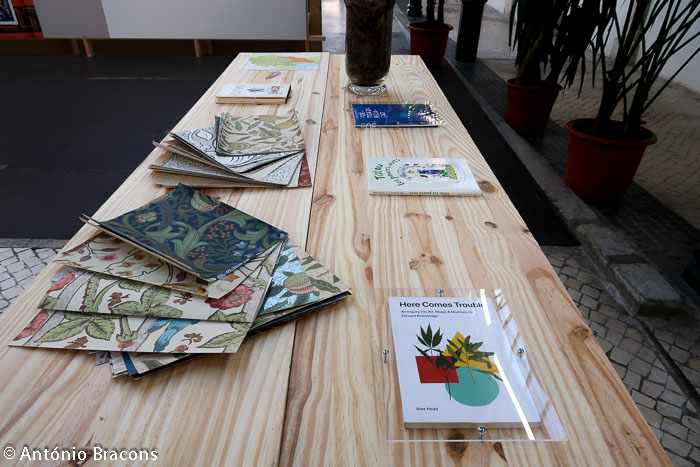
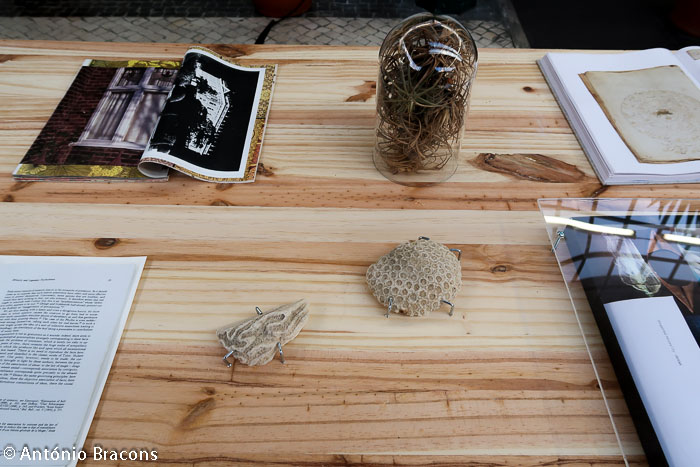
As in Ernst Götsch’s syntropical agriculture, in which elements of each part are reused by the others, the three approaches to human-nature interfaces renegotiate the relation of the spectator to the presented images, in organic dialogues with no pre-established destination.The core of the exhibition is a shelf of references, substrates of the process developed by each artist as well as the curator. These are materials that can be seen as part of the essence of the exhibition and can increase the depth of the artworks presented, but do not necessarily belong to any one artist’s world, and are part of the constellation of references, symbols, histories, and materials that have always surrounded us.
Téo Pitella
.
.
.
Ramona Guntert / IRI – Where we stand, what we see
(exposição comum a BEING / SEEING, onde já mostrámos – encontra-se exposta como exposição de charneira, interligando as duas exposições – e também apresentada em THE FUTURE IS OURS)
.
.
.
.
Sarunas Kvietkus / Zemé
.
.
.
.
Joshua Phillips / For a long time now I have fallen to sleep with the TV turned on
(exposição comum a THE FUTURE IS OURS e ACTS OF DISAPPEARANCE)
.
.
.
.
As exposições comuns a mais de uma exposição têm apresentações diferentes, ainda que nalguns casos se tratem das mesmas imagens.
.
.
Compõem o PARALLEL – European Photo Based Platform, as seguintes entidades:
Procur.arte Lisboa, Portugal (Project Leader)
Robert Capa Contemporary Center Budapest, Hungary
Le Château d’Eau Toulouse, France
Fondazione Fotografia Modena Modena, Italy
Centro Artes José de Guimarães – A Oficina Guimarães, Portugal
Format International Photography Festival – Derby Quad Derby, UK
FotoFestiwal – Foundation of Visual Education Lodz, Poland
Galleri Image Aarhus, Denmark
ISSP Riga, Latvia
Katalog – Journal of Photography & Video Kerteminde, Denmark
Landskrona Foto Landskrona, Sweden
Kaunas Photography Gallery Kaunas, Lithuania
UGM – Maribor Art Gallery Maribor, Slovenia
The Finnish Museum of Photography Helsinki, Finland
Organ Vida Zagreb, Croatia
Photoireland Dublin, Ireland
YET Magazine Lausanne, Switzerland
.
.
As outras exposições aqui e aqui.
Mais informação aqui.
.
.
.
Pingback: PARALLEL REVIEW LISBOA. THE FUTURE IS OURS – ACTION AT A DISTANCE | FASCÍNIO DA FOTOGRAFIA
Pingback: AGENDA . EXPOSIÇÕES . OUTUBRO – DEZEMBRO . 2018 | FASCÍNIO DA FOTOGRAFIA
Pingback: PARALLEL REVIEW LISBOA. ACTS OF DISAPPEARANCE – RARELY PURE, NEVER SIMPLE | FASCÍNIO DA FOTOGRAFIA